In the shadow of global defense industry giants, a quiet revolution has been unfolding in Turkey's technology sector. The nation's drone manufacturing capabilities, particularly through privately-owned Baykar Defense, have captured international attention with unprecedented export success. With order books stretching into 2026 and beyond, Baykar's story represents more than just corporate achievement—it signifies a fundamental shift in global military technology dynamics.
The journey began modestly in the early 2000s when the Baykar brothers, Selçuk and Haluk Bayraktar, transformed their family's automotive parts business into a defense technology venture. Their initial projects focused on miniature unmanned aerial vehicles, but their ambitions quickly expanded. What distinguished Baykar from competitors was their commitment to indigenous development, refusing to rely on foreign technology transfers that had long characterized Turkey's defense procurement strategy.
Bayraktar TB2: The Game Changer
The turning point came with the development of the Bayraktar TB2, a medium-altitude long-endurance unmanned combat aerial vehicle that would redefine modern warfare. Unlike previous drones that required sophisticated infrastructure and extensive training, the TB2 offered remarkable operational flexibility. Its modular design allowed for relatively easy maintenance in field conditions, while its satellite communication capability enabled operations beyond line-of-sight.
Combat performance in multiple theaters demonstrated the TB2's effectiveness. In Syria, Libya, and particularly during the 2020 Nagorno-Karabakh conflict, the drone proved devastatingly effective against traditional armor and air defense systems. Videos of precision strikes circulated widely on social media, creating both strategic impact and powerful marketing. The TB2 became known as the "warrior drone" that could loiter for hours before striking with remarkable accuracy.
Export Success and Strategic Partnerships
Baykar's export strategy focused on nations seeking affordable yet capable military technology without political strings attached. Poland became the first NATO member to purchase Turkish drones, ordering 24 Bayraktar TB2s in 2021. This landmark deal opened doors to other European markets and signaled acceptance of Turkish defense technology within the Western military alliance.
The company's order book now includes more than twenty countries across Eastern Europe, Africa, the Middle East, and Asia. Each contract typically includes not just the drones themselves but ground control stations, simulators, and training packages. Baykar has established local maintenance and training facilities in several client countries, creating long-term partnerships rather than simple vendor relationships.
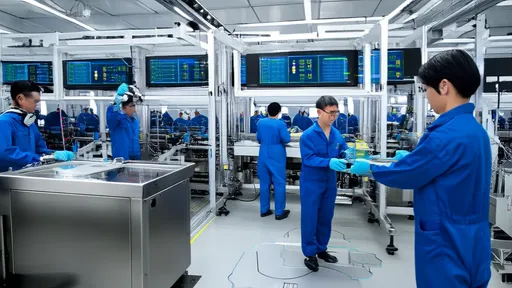
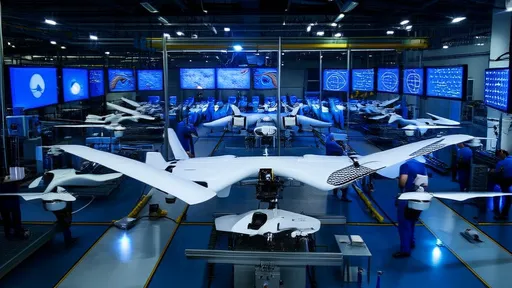
Production capacity has expanded dramatically to meet demand. Baykar's manufacturing facility outside Istanbul now operates multiple shifts, with plans for additional production lines. The company has invested heavily in automated manufacturing processes while maintaining rigorous quality control standards. Supply chain management has become increasingly sophisticated as production volumes have grown.
Technological Evolution and Future Systems
While the TB2 continues to dominate production, Baykar has not rested on its laurels. The Bayraktar Akıncı, a high-altitude long-endurance combat drone, represents the next evolutionary step. With significantly greater payload capacity, extended range, and the ability to carry air-to-air missiles, the Akıncı positions Turkey among the handful of nations capable of producing such advanced systems.
Development continues on even more ambitious projects, including the Bayraktar Kızılelma unmanned fighter jet and the Bayraktar TB3 designed for aircraft carrier operations. These projects demonstrate Baykar's commitment to maintaining technological leadership rather than simply exploiting current market success. Research and development spending has increased proportionally with revenue, ensuring a pipeline of future products.
The technological ecosystem surrounding Baykar has also flourished. Dozens of Turkish companies now supply components from electro-optical systems to composite materials. Universities have established specialized programs in unmanned systems engineering, creating a sustainable talent pipeline. This domestic ecosystem provides strategic autonomy while supporting broader economic development.
Economic and Strategic Implications
Baykar's success has transformed Turkey's position in the global defense industry. From being primarily an importer of military hardware, Turkey has become a significant exporter of cutting-edge technology. Defense exports have grown from approximately $1 billion annually a decade ago to over $4 billion today, with drones representing the fastest-growing segment.
The economic impact extends beyond direct exports. Baykar employs thousands of engineers and technical staff, with plans for continued expansion. Supplier networks span multiple regions of Turkey, distributing economic benefits beyond major urban centers. The company's success has inspired investment in other high-technology sectors, creating a demonstration effect for Turkish entrepreneurship.
Strategically, drone technology has provided Turkey with new diplomatic tools. Military cooperation agreements often accompany drone sales, strengthening bilateral relationships. The technology has also enhanced Turkey's autonomous military capability, reducing dependence on traditional allies while increasing regional influence.
Challenges and Competitive Landscape
Despite remarkable success, Baykar faces significant challenges. International competition intensifies as more nations develop indigenous drone capabilities. Chinese manufacturers offer lower-priced alternatives, while American companies maintain technological advantages in certain areas. Export controls and political considerations sometimes limit market access, particularly with NATO allies concerned about technology security.
The rapid pace of technological change requires continuous innovation. Counter-drone technologies are developing quickly, potentially reducing the effectiveness of current systems. Baykar must anticipate future battlefield requirements while managing current production commitments. Supply chain vulnerabilities, particularly for specialized electronic components, present additional operational challenges.
Scaling production while maintaining quality represents another significant challenge. The transition from boutique manufacturer to mass producer requires different management approaches and production philosophies. Quality assurance becomes increasingly complex as production volumes grow and supply chains expand globally.
Broader Industry Impact
Baykar's success has catalyzed development across Turkey's defense technology sector. Other Turkish companies have accelerated their own drone programs, creating a competitive domestic market. Turkish Aerospace Industries continues development of the Anka series, while newer entrants explore specialized niches. This competition drives innovation while expanding Turkey's overall capabilities.
The commercial drone sector has also benefited from military developments. Technology transfer between military and commercial applications has created new opportunities in areas ranging from agricultural monitoring to infrastructure inspection. Turkish startups now compete in global commercial drone markets, leveraging expertise developed through defense projects.
International partnerships have evolved as Turkey's capabilities have grown. Rather than simply licensing foreign technology, Turkish companies now engage in joint development projects with international partners. This shift from technology consumer to technology creator represents a fundamental change in Turkey's position in global value chains.
Looking Toward 2026 and Beyond
With orders secured through 2026, Baykar faces the challenge of delivering on its promises while preparing for future competition. Production capacity continues to expand, with new facilities planned and existing operations optimized. The company's vertical integration strategy has reduced dependence on foreign suppliers while improving cost control.
Technological development focuses on next-generation capabilities including artificial intelligence, swarm technology, and enhanced autonomy. These developments aim to maintain Baykar's competitive advantage as other nations catch up with current technology. Research partnerships with universities and government institutions support these efforts.
The broader Turkish drone industry continues to evolve, with multiple companies now exporting systems to international markets. This diversification strengthens Turkey's position as the industry matures and segments into different capability levels and price points. Government support through procurement policies and research funding continues to play a crucial role in this ecosystem.
Baykar's journey from family business to global defense technology leader illustrates how focused innovation and strategic vision can transform a nation's industrial capabilities. As order books remain full through 2026, the company faces the dual challenge of scaling production while advancing technology. Their success has not only created economic value but has fundamentally altered perceptions of Turkish technological capability on the global stage.
By /Nov 5, 2025

By /Nov 5, 2025

By /Nov 5, 2025
By /Nov 5, 2025

By /Nov 5, 2025
By /Nov 5, 2025

By /Nov 5, 2025

By /Nov 5, 2025
By /Nov 5, 2025

By /Nov 5, 2025
By /Nov 5, 2025
By /Nov 5, 2025

By /Nov 5, 2025

By /Nov 5, 2025

By /Nov 5, 2025

By /Nov 5, 2025

By /Nov 5, 2025

By /Nov 5, 2025
By /Nov 5, 2025

By /Nov 5, 2025