Malaysia's Chip Packaging and Testing Industry Booms as Major Companies Expand Capacity

Nov 5, 2025 By

The Malaysian semiconductor industry is experiencing an unprecedented wave of expansion as global chip packaging and testing giants pour billions into production capacity. Against the backdrop of worldwide semiconductor shortages and geopolitical tensions, this Southeast Asian nation has emerged as a critical hub for ensuring the stability of global electronics supply chains.


For decades, Malaysia has quietly built its reputation as a reliable manufacturing base for semiconductor companies. What began with Intel establishing its first offshore assembly plant in Penang in 1972 has evolved into a sophisticated ecosystem of packaging and testing facilities that now account for approximately 13% of global semiconductor trade. The current expansion frenzy represents the largest concentrated investment the country has seen in this sector since the 1990s.


Multiple industry leaders are simultaneously executing ambitious expansion plans across different Malaysian states. Intel recently announced a $7 billion investment to expand its advanced packaging capabilities in Penang and Kulim, creating over 4,000 construction jobs and more than 1,000 permanent technical positions. The company's Malaysia operations have become its largest advanced packaging facility worldwide, underscoring the strategic importance of this Southeast Asian location.


Meanwhile, Infineon Technologies is pouring another €2 billion into expanding its power semiconductor frontend and backend operations in Kulim High-Tech Park. This represents the single largest investment in Infineon's history and will significantly boost production of chips essential for electric vehicles, renewable energy systems, and data centers. The German chipmaker has operated in Malaysia since 1973 and considers the country a cornerstone of its global manufacturing strategy.


Texas Instruments is not standing idle either. The American semiconductor giant is constructing additional assembly and test facilities in Melaka and Kuala Lumpur, representing its most significant capacity expansion in Malaysia to date. These facilities will focus on analog chips used across countless electronic devices, from smartphones to industrial equipment.


The driving forces behind this investment surge are multifaceted and reflect broader industry trends. The global chip shortage that began during the pandemic exposed vulnerabilities in concentrated supply chains, prompting companies to diversify their manufacturing footprints. Malaysia's established infrastructure, skilled workforce, and political stability make it an attractive alternative to traditional manufacturing hubs.


Geopolitical tensions between the United States and China have accelerated this diversification trend. Many semiconductor companies are adopting a "China Plus One" strategy, maintaining operations in China while establishing additional capacity elsewhere. Malaysia's neutral political stance and robust trade relationships with both economic superpowers position it perfectly to benefit from this rebalancing.


Technological evolution is another critical factor. The semiconductor industry is transitioning toward advanced packaging technologies like 2.5D and 3D packaging, which allow multiple chips to be integrated into single packages for better performance and energy efficiency. Malaysia's decades of experience in traditional packaging provide a solid foundation for mastering these more complex techniques.


Malaysia's government has actively cultivated this investment environment through strategic policies and infrastructure development. The National Investment Aspirations framework, introduced in 2021, provides targeted incentives for high-tech, high-value investments that create skilled jobs and transfer advanced technology. Semiconductor packaging and testing perfectly align with these objectives.


Investment promotion agencies like MIDA have been particularly effective in attracting and facilitating semiconductor projects. Their one-stop service centers streamline approval processes and coordinate between different government agencies, significantly reducing bureaucratic hurdles for expanding companies. This efficient support system has become a key competitive advantage for Malaysia.


The country's education system has also adapted to support industry growth. Technical universities and vocational colleges have developed specialized semiconductor packaging curricula in collaboration with industry partners. Companies like Intel and Infineon run extensive apprenticeship programs that groom local talent for technical roles, creating a sustainable pipeline of skilled workers.


The economic impact of this semiconductor boom extends far beyond the factories themselves. Each direct job in the semiconductor industry typically creates 4-5 additional jobs in supporting sectors including logistics, maintenance, catering, and housing. The current expansion wave is expected to generate tens of thousands of these indirect employment opportunities.


Local equipment suppliers and service providers are experiencing unprecedented demand. Malaysian companies that provide specialty gases, chemical solutions, precision tooling, and facility maintenance are scaling their operations to meet the needs of expanding semiconductor facilities. This is creating a virtuous cycle of industrial development that strengthens Malaysia's overall manufacturing ecosystem.


Real estate markets in semiconductor hubs like Penang, Kulim, and Melaka are booming as expatriate technicians and local workers seek housing near the expanding facilities. Commercial property developers are rushing to build industrial parks, research centers, and residential complexes to accommodate the growing workforce.


Despite the optimistic outlook, the Malaysian semiconductor expansion faces significant challenges. The global competition for semiconductor talent is intensifying, with countries like the United States, Taiwan, and South Korea also expanding their chip manufacturing capabilities. Retaining experienced engineers and technicians has become increasingly difficult as multinational companies offer competitive international compensation packages.


Infrastructure constraints represent another concern. While Malaysia has relatively good transportation and utility infrastructure compared to many developing nations, the concentrated expansion in specific regions is testing the limits of local power grids, water systems, and road networks. The government is accelerating infrastructure projects to prevent these limitations from hindering growth.


Environmental considerations are also coming to the forefront. Semiconductor manufacturing is energy and water intensive, creating sustainability challenges. Companies are addressing these concerns through investments in renewable energy, water recycling systems, and carbon reduction initiatives, but balancing rapid expansion with environmental responsibility remains an ongoing effort.


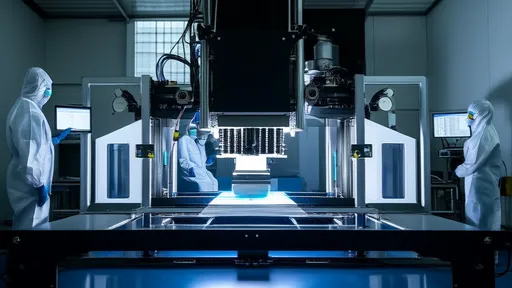
The technological transformation within Malaysia's semiconductor sector is as significant as the physical expansion. Companies are not merely building more of the same facilities—they're implementing the industry's most advanced packaging technologies. Fan-out wafer-level packaging, system-in-package solutions, and 3D chip stacking are becoming standard capabilities in Malaysian facilities.


Automation and Industry 4.0 technologies are being deployed at unprecedented scale. New facilities feature extensive robotics, artificial intelligence for process optimization, and sophisticated data analytics systems that monitor production quality in real-time. This technological upgrade is transforming the nature of semiconductor jobs, requiring more programming and data analysis skills alongside traditional technical expertise.


Research and development activities are expanding alongside manufacturing. Several companies are establishing advanced R&D centers in Malaysia focused on developing next-generation packaging technologies. This represents a significant evolution from Malaysia's historical role as primarily a manufacturing location toward becoming an innovation hub.


Looking forward, Malaysia's position in the global semiconductor landscape appears increasingly strategic. The current expansion projects will take two to three years to reach full production capacity, meaning the full impact of this investment wave will unfold gradually through the mid-2020s. Industry analysts project that Malaysia could capture an additional 3-5% of global semiconductor packaging and testing market share during this period.


The Malaysian government is already planning for the next phase of development. Officials have indicated that attracting semiconductor wafer fabrication—the frontend manufacturing process currently dominated by Taiwan, South Korea, and the United States—represents the logical next step in the country's semiconductor evolution. While this would require significantly larger investments and even more specialized infrastructure, the success of the current packaging and testing expansion makes this ambition increasingly plausible.


Global technology trends continue to favor Malaysia's specialization. The growth of artificial intelligence, 5G connectivity, electric vehicles, and Internet of Things devices all depend on advanced semiconductor packaging to deliver the performance and efficiency these applications require. As these technologies proliferate, demand for Malaysia's packaging expertise will likely continue to grow.


The Malaysian semiconductor packaging and testing boom represents a convergence of global supply chain realignment, technological evolution, and strategic national development. While challenges around talent, infrastructure, and sustainability require careful management, the country has positioned itself as an indispensable node in the global electronics ecosystem. As semiconductor companies continue their expansion, Malaysia's role in powering the digital transformation of the global economy appears set to grow even more significant in the coming years.


Recommend Posts
Business

Malaysia's Chip Packaging and Testing Industry Booms as Major Companies Expand Capacity

By /Nov 5, 2025

The Malaysian semiconductor industry is experiencing an unprecedented wave of expansion as global chip packaging and testing giants pour billions into production capacity. Against the backdrop of worldwide semiconductor shortages and geopolitical tensions, this Southeast Asian nation has emerged as a critical hub for ensuring the stability of global electronics supply chains.
Business

Indonesia's Digital Economy Surpasses $130 Billion, Becoming Southeast Asia's Largest Digital Market

By /Nov 5, 2025

Indonesia's digital economy has achieved a remarkable milestone, surpassing the $130 billion mark and cementing its position as Southeast Asia's largest digital market. This achievement represents more than just numbers on a spreadsheet—it signals a fundamental transformation in how 270 million Indonesians live, work, and conduct business. The archipelago nation's digital ascendance comes amid global economic uncertainty, demonstrating remarkable resilience and potential for continued growth.
Business

Canadian Lithium Mining Giant Discovers the World's Second Largest Lithium Deposit in Quebec

By /Nov 5, 2025

In a development that promises to reshape the global lithium landscape, a Canadian mining giant has confirmed the discovery of what is being hailed as the world's second-largest lithium resource in the rugged wilderness of Quebec. The find, located in the James Bay region, is not merely significant for its sheer scale but for its timing, arriving as the world scrambles to secure the critical minerals necessary for the clean energy transition.
Business

First Industrial Park of China-Pakistan Economic Corridor Officially Operates in Pakistan

By /Nov 5, 2025

The landscape of industrial development in Pakistan has entered a transformative new phase with the official commencement of operations at the Rashakai Special Economic Zone, marking a significant milestone in the China-Pakistan Economic Corridor initiative. After years of meticulous planning and construction, this flagship industrial park has begun welcoming its first wave of manufacturers and investors, signaling the start of what many analysts predict will become a new industrial heartland in the Khyber Pakhtunkhwa province.
Business

Egypt's Suez Canal Economic Zone Attracts Over $10 Billion in Chinese Investment

By /Nov 5, 2025

Egypt's Suez Canal Economic Zone has emerged as a powerful magnet for Chinese investment, with capital inflows surpassing the $10 billion milestone, marking one of the most significant economic partnerships between the two nations in recent years. The strategic positioning of the zone, coupled with Egypt's ambitious development plans and China's Belt and Road Initiative, has created a perfect storm of economic cooperation that promises to reshape regional trade dynamics.
Business

Uruguay's Green Hydrogen Project Receives €500 Million in German Technical Cooperation

By /Nov 5, 2025

In a landmark move for South America's renewable energy landscape, Uruguay has secured a groundbreaking €50 million technical cooperation agreement with Germany to develop one of the region's most ambitious green hydrogen projects. The partnership, announced earlier this week following high-level bilateral talks, represents a significant step forward in Uruguay's strategic pivot toward becoming a global exporter of clean energy.
Business

UK Fintech Firms Raise Record Funding, Reaching £8.5bn in Q3

By /Nov 5, 2025

British fintech companies have shattered all previous funding records in the third quarter, with investment surging to £8.5 billion as global investors demonstrate unprecedented confidence in the sector's growth trajectory. The remarkable figures represent a seismic shift in the financial technology landscape, positioning the United Kingdom as the undisputed European leader and a formidable global competitor to traditional financial hubs.
Business

Philippines BPO Industry Revenue Expected to Surpass $40 Billion This Year

By /Nov 5, 2025

The Philippine Business Process Outsourcing (BPO) industry stands on the precipice of a monumental achievement this year, with projections indicating that its revenue will surge past the $40 billion mark. This isn't just a numerical milestone; it represents the culmination of decades of strategic development, resilience, and a relentless focus on value creation. From its origins in basic call center operations, the sector has metamorphosed into a sophisticated global hub for a wide spectrum of knowledge-based services, solidifying its position as a critical pillar of the Philippine economy and a dominant force in the global outsourcing landscape.
Business

Poland's E-commerce Market Leads Central and Eastern Europe in Growth, Alibaba Increases Investment

By /Nov 5, 2025

Poland's e-commerce sector has emerged as the undeniable growth leader across Central and Eastern Europe, capturing the attention of global retail giants and prompting strategic investments from industry titans. The country's digital marketplace has demonstrated remarkable resilience and expansion, consistently outperforming neighboring markets with double-digit growth rates that show no signs of slowing. This exceptional performance has transformed Poland from a regional contender into a strategic priority for international e-commerce players seeking to establish deeper footholds in the European digital economy.
Business

Chile's Copper Mining Industry Embraces Digital Transformation with the Launch of 5G Smart Mining Project

By /Nov 5, 2025

Chile's copper mining industry is undergoing a revolutionary transformation as it embraces digitalization with the launch of comprehensive 5G-enabled smart mining projects across its vast mineral-rich territories. The nation, long recognized as the world's leading copper producer, is now positioning itself at the forefront of mining technology innovation through strategic partnerships between state agencies, mining corporations, and telecommunications providers.
Business

Turkey's Drone Industry Takes Off, Baykar's Orders Stretch to 2026

By /Nov 5, 2025

In the shadow of global defense industry giants, a quiet revolution has been unfolding in Turkey's technology sector. The nation's drone manufacturing capabilities, particularly through privately-owned Baykar Defense, have captured international attention with unprecedented export success. With order books stretching into 2026 and beyond, Baykar's story represents more than just corporate achievement—it signifies a fundamental shift in global military technology dynamics.
Business

Australian Green Hydrogen Project Secures $20 Billion Investment from Japan's Mitsubishi

By /Nov 5, 2025

In a landmark deal that signals Asia-Pacific's accelerating transition to renewable energy, Japanese industrial giant Mitsubishi Corporation has committed $20 billion toward Australian green hydrogen projects, creating what analysts are calling the Southern Hemisphere's most ambitious clean energy partnership. The unprecedented investment, confirmed Tuesday during Australian Prime Minister Anthony Albanese's Tokyo visit, represents Japan's largest-ever single commitment to foreign renewable energy infrastructure and positions Australia as a potential global leader in the emerging green hydrogen economy.
Business

Saudi Aramco and Chinese Joint Venture Refining and Chemical Project Starts Production in Liaoning

By /Nov 5, 2025

BEIJING - In a landmark development for global energy cooperation, Saudi Aramco's joint venture refining and chemical project in Liaoning province has officially commenced operations, marking the culmination of a strategic partnership that promises to reshape regional energy dynamics. The massive complex represents one of the most significant foreign investments in China's refining sector and underscores the deepening economic ties between the world's largest oil exporter and its top crude importer.
Business

Argentina's Lithium Exports Surge, Becoming the World's Second Largest Lithium Producer

By /Nov 5, 2025

Argentina's lithium industry is experiencing an unprecedented boom, with export revenues surging to record levels as the South American nation solidifies its position as the world's second-largest lithium producer. The dramatic expansion of lithium operations across the country's northern provinces represents a fundamental shift in global energy markets and positions Argentina as a key player in the transition to renewable energy.
Business

Amorepacific Accelerates Expansion into the Middle East Market

By /Nov 5, 2025

South Korean beauty giant Amorepacific is making strategic inroads into the Middle Eastern market with an ambitious expansion plan that signals a significant shift in global beauty industry dynamics. The company, renowned for its innovative skincare and cosmetic products, has identified the region as a crucial growth frontier, leveraging its cultural heritage and technological expertise to capture the attention of Middle Eastern consumers who are increasingly embracing K-beauty trends.
Business

Israeli Cybersecurity Companies Raise Over $5 Billion in Funding This Year

By /Nov 5, 2025

Israeli cybersecurity firms have shattered investment records this year, with total funding surpassing the $5 billion mark in a stunning demonstration of global confidence in the nation's digital defense capabilities. This unprecedented financial milestone arrives amid escalating cyber threats worldwide and positions Israel's security technology sector as an indispensable pillar of global digital infrastructure. The funding surge represents more than just numerical growth—it signals a fundamental shift in how nations and corporations approach cybersecurity in an increasingly interconnected world.
Business

Thailand's Electric Vehicle Policy Shows Results, Sales Increase by 300% in the First Three Quarters

By /Nov 5, 2025

Thailand's electric vehicle revolution is accelerating at a pace that has caught even the most optimistic industry observers by surprise. Government data released this week reveals an astonishing 300% surge in EV sales during the first three quarters of this year compared to the same period last year, signaling a dramatic shift in Southeast Asia's second-largest economy.
Business

Columbian Coffee Exports Shift to High-Value, Specialty Coffee Increases

By /Nov 5, 2025

Colombia's coffee industry, long celebrated for its consistent quality and reliable exports, is undergoing a profound transformation. For decades, the nation's identity has been intertwined with the image of the humble coffee farmer, the Juan Valdez archetype, tending to lush green hillsides that produce millions of sacks of good, dependable beans. This high-volume model served the country well, establishing it as a top global producer. Yet, a quiet revolution is brewing, one that is steadily shifting the sector's focus from sheer quantity to exceptional quality, from bulk commodity to artisanal experience. This strategic pivot towards high-value, specialty coffee is not merely a market trend; it is a comprehensive recalibration of Colombia's entire coffee ecosystem, driven by a confluence of global demand, economic necessity, and a new generation of visionary growers and exporters.
Business

Dutch Lithography Giant ASML Exceeds Revenue Expectations, Sets New High for Orders

By /Nov 5, 2025

Dutch semiconductor equipment manufacturer ASML Holding NV has delivered a stunning financial performance that exceeded market expectations, with quarterly revenue surging past projections and new orders reaching unprecedented levels. The Veldhoven-based company, which maintains a virtual monopoly on the production of extreme ultraviolet (EUV) lithography systems essential for manufacturing the world's most advanced chips, reported figures that sent shockwaves through the global semiconductor industry.
Business

Bangladesh Garment Exports Surpass $50 Billion for the First Time

By /Nov 5, 2025

Bangladesh's garment industry has shattered all previous records, with exports crossing the monumental $50 billion threshold for the first time in its history. The achievement marks a significant milestone for the nation's economy and solidifies its position as a global manufacturing powerhouse in the apparel sector. This unprecedented growth comes amidst a complex global economic landscape, demonstrating the resilience and competitive edge of Bangladeshi manufacturers.