Egypt's Suez Canal Economic Zone has emerged as a powerful magnet for Chinese investment, with capital inflows surpassing the $10 billion milestone, marking one of the most significant economic partnerships between the two nations in recent years. The strategic positioning of the zone, coupled with Egypt's ambitious development plans and China's Belt and Road Initiative, has created a perfect storm of economic cooperation that promises to reshape regional trade dynamics.
The sprawling economic zone, which encompasses land along both sides of the Suez Canal, has become a showcase for what Egyptian officials describe as the country's economic transformation. Chinese companies have established a formidable presence across multiple sectors, from manufacturing and logistics to energy and technology. The investments represent not just financial commitments but long-term strategic partnerships that align with Egypt's vision to become a global trade hub.
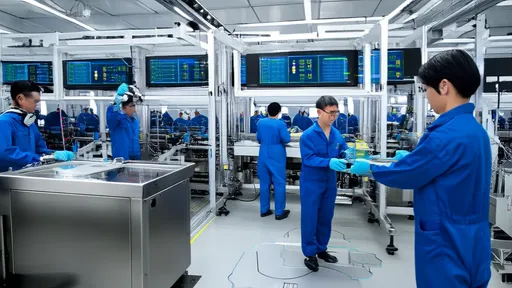
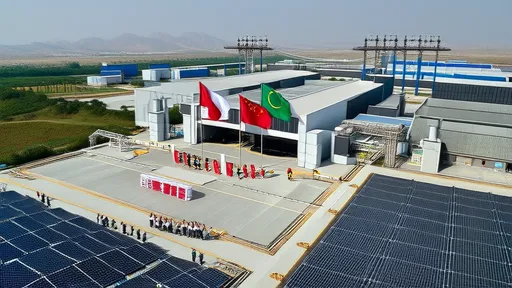
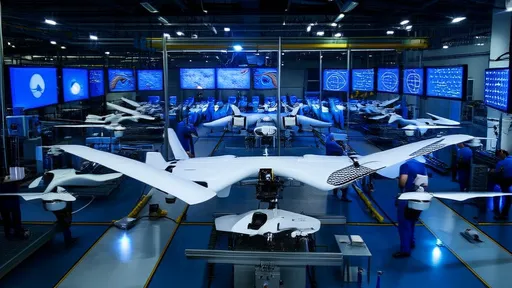
Industrial development has been at the forefront of Chinese engagement, with massive industrial parks and manufacturing facilities springing up across the economic zone. The China-Egypt TEDA Suez Economic and Trade Cooperation Zone stands as a prime example, hosting nearly 100 companies and creating thousands of local jobs. This industrial cluster has become a model for how Chinese expertise in industrial park development can be successfully transplanted to new markets while creating shared value for both nations.
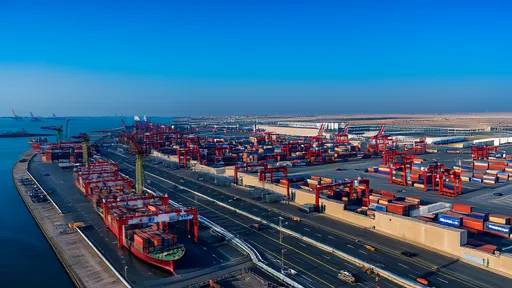
What makes the Suez Canal Economic Zone particularly attractive to Chinese investors is its unparalleled access to global markets. Positioned at the crossroads of Europe, Asia, and Africa, the zone offers manufacturers the ability to ship goods to major consumer markets with remarkable efficiency. The canal itself handles approximately 12% of global trade, providing companies located in the zone with immediate access to one of the world's most important shipping arteries.
Infrastructure development has been another key area of collaboration, with Chinese companies playing crucial roles in upgrading ports, roads, and utilities within the economic zone. The transformation of Ain Sokhna Port into a modern container terminal capable of handling the largest vessels has been particularly significant. These infrastructure improvements not only support the operations of Chinese companies but enhance the overall competitiveness of the economic zone for all investors.
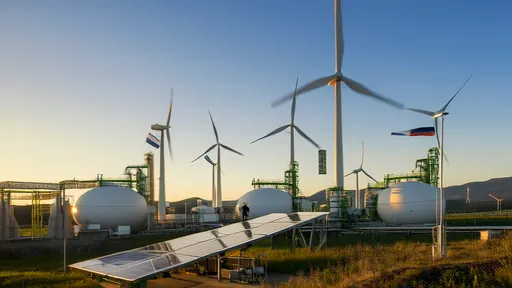
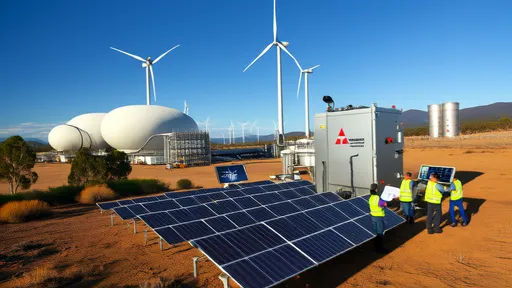
The energy sector has witnessed some of the largest Chinese investments, with multiple renewable energy projects taking shape across the region. Solar power plants and wind farms developed by Chinese companies are helping Egypt meet its growing energy needs while supporting the country's transition to cleaner energy sources. These projects represent the convergence of Chinese technological expertise with Egypt's abundant natural resources and strategic location.
Beyond the economic benefits, the growing Chinese presence in the Suez Canal Economic Zone reflects deeper geopolitical currents. As China expands its global economic footprint, strategic locations like the Suez Canal become increasingly important. The investments serve multiple purposes – they secure China's trade routes, create manufacturing bases outside China, and strengthen diplomatic ties with key regional partners.
Local employment and skill development have been important byproducts of the Chinese investment surge. Chinese companies operating in the zone have implemented extensive training programs for Egyptian workers, transferring technical skills and manufacturing expertise. This knowledge transfer is creating a more skilled local workforce that can support not just Chinese operations but Egypt's broader industrial ambitions.
The success of Chinese investments in the Suez Canal Economic Zone hasn't been without challenges. Cultural differences, regulatory hurdles, and logistical complexities have required careful navigation by both Egyptian authorities and Chinese companies. However, the establishment of joint committees and regular high-level dialogues has helped address these challenges systematically, creating a framework for sustainable long-term cooperation.
Looking ahead, the partnership shows no signs of slowing down. New areas of collaboration are emerging, including technology parks, research centers, and digital infrastructure projects. Egyptian officials have expressed confidence that Chinese investment will continue to grow, potentially doubling over the next five years as new sectors open up and existing operations expand.
The environmental dimension of this economic partnership has gained increasing attention in recent years. Chinese companies have brought advanced environmental technologies to their Egyptian operations, implementing waste management systems, water conservation measures, and emission control technologies. This focus on sustainable development reflects both companies' growing environmental consciousness and Egypt's stringent regulatory requirements.
Financial services have followed the physical investments, with Chinese banks establishing presence in the economic zone to serve the growing community of Chinese businesses. These financial institutions provide everything from trade finance to investment banking services, creating a comprehensive ecosystem that supports the entire value chain of Chinese economic activity in the region.
The ripple effects of Chinese investment extend far beyond the economic zone's boundaries. Local Egyptian companies have benefited through supply chain opportunities, joint ventures, and technology transfer. This has created a multiplier effect throughout the Egyptian economy, with small and medium enterprises particularly benefiting from access to new markets and technologies.
As the partnership matures, both sides are exploring new frontiers of cooperation. There's growing interest in developing the economic zone as a hub for e-commerce and digital trade, leveraging its strategic location to serve the rapidly growing African e-commerce market. Chinese tech companies are showing particular interest in these opportunities, seeing potential to replicate their domestic success in new markets.
The political dimension of this economic relationship cannot be overlooked. The strong partnership between China and Egypt has been cultivated through regular high-level exchanges and strategic alignment on numerous international issues. This political foundation has created the stability and trust necessary for large-scale, long-term investments to flourish.
Quality control and standards have been another area of fruitful collaboration. Chinese manufacturers in the economic zone have worked closely with Egyptian authorities to ensure their products meet both international standards and local requirements. This focus on quality has helped build consumer confidence in Egyptian-made products while opening export opportunities to markets with stringent quality requirements.
The transportation and logistics sector has seen particularly robust Chinese investment, with companies developing integrated logistics parks that combine warehousing, distribution, and value-added services. These facilities leverage the zone's strategic location to offer manufacturers comprehensive supply chain solutions that reduce costs and improve efficiency.
As Chinese investment in the Suez Canal Economic Zone crosses the $10 billion threshold, it stands as a testament to what can be achieved when strategic vision meets practical execution. The partnership has created a win-win situation – Egypt gains investment, jobs, and technology transfer, while China secures strategic access to key markets and trade routes. This symbiotic relationship looks set to deepen in the coming years, potentially serving as a model for South-South cooperation in other regions.
The future trajectory of Chinese investment in the Suez Canal Economic Zone will likely be shaped by global economic trends, regional developments, and the evolving nature of China's overseas investment strategy. However, the foundation built over the past decade appears strong enough to withstand temporary challenges and capitalize on emerging opportunities. Both Egyptian and Chinese officials express confidence that the best days of this economic partnership still lie ahead.
By /Nov 5, 2025

By /Nov 5, 2025

By /Nov 5, 2025
By /Nov 5, 2025
By /Nov 5, 2025
By /Nov 5, 2025

By /Nov 5, 2025

By /Nov 5, 2025

By /Nov 5, 2025

By /Nov 5, 2025
By /Nov 5, 2025
By /Nov 5, 2025
By /Nov 5, 2025
By /Nov 5, 2025

By /Nov 5, 2025

By /Nov 5, 2025

By /Nov 5, 2025

By /Nov 5, 2025
By /Nov 5, 2025

By /Nov 5, 2025