Bangladesh's garment industry has shattered all previous records, with exports crossing the monumental $50 billion threshold for the first time in its history. The achievement marks a significant milestone for the nation's economy and solidifies its position as a global manufacturing powerhouse in the apparel sector. This unprecedented growth comes amidst a complex global economic landscape, demonstrating the resilience and competitive edge of Bangladeshi manufacturers.
The readymade garment (RMG) sector, the lifeblood of Bangladesh's economy, has been on an upward trajectory for decades. However, the leap to surpass $50 billion in a single fiscal year represents an acceleration that has surprised many industry analysts. Official data released by the Bangladesh Garment Manufacturers and Exporters Association (BGMEA) confirms that the final export figures have comfortably exceeded this psychological barrier, setting a new benchmark for the industry.
This historic accomplishment is not an isolated event but the culmination of years of strategic planning, infrastructural development, and a relentless focus on improving productivity and compliance. From the ashes of tragic industrial accidents that once plagued its reputation, the sector has undergone a remarkable transformation. The collaboration between the government, factory owners, and international brands under initiatives like the Accord on Fire and Building Safety has been instrumental in rebuilding global confidence.
The diversification of export markets has played a crucial role in this success story. While the European Union and the United States remain the largest traditional markets, accounting for a significant portion of the orders, there has been a strategic push into new frontiers. Countries like Japan, South Korea, Australia, and India have emerged as substantial growth markets, reducing over-reliance on any single region and providing a buffer against regional economic downturns. This geographical diversification has proven to be a masterstroke, especially in a post-pandemic world where supply chain disruptions have been commonplace.
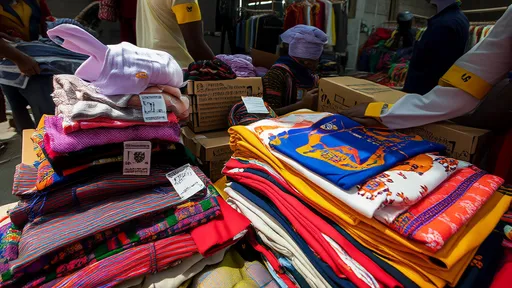
Another pivotal factor behind the record-breaking export figure is the shift in the product mix. Bangladeshi factories are no longer just the go-to destination for basic t-shirts and trousers. There has been a conscious and successful move up the value chain. The export basket now includes a much higher proportion of high-value items such as sophisticated outerwear, technical apparel, and premium knitwear. This transition from basic manufacturing to a more value-added operation has significantly increased the earnings per unit, contributing directly to the higher export value without a proportional increase in volume.
Investment in state-of-the-art machinery and technology has been another cornerstone of this growth. Leading manufacturers have heavily automated their production lines, incorporating robotics in cutting and sewing, and using AI for quality control and supply chain management. This technological leap has not only boosted efficiency and reduced lead times but has also enhanced the ability to handle complex, high-fashion orders that command better prices in the international market.
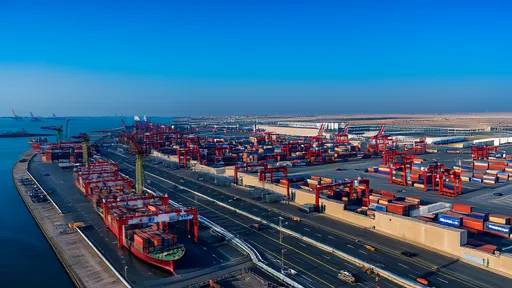
The role of government policy cannot be overstated. Proactive support through fiscal incentives, the development of specialized economic zones, and sustained investment in critical infrastructure like the deep-sea port in Matarbari have created a conducive environment for export growth. Improved logistics and a reduction in bureaucratic red tape have made it easier and faster to move goods from the factory floor to international ports, a critical factor in the fast-paced fashion industry.
However, this remarkable success is set against a backdrop of significant challenges. The global economic slowdown, rising inflation in key consumer markets, and the ongoing Russia-Ukraine conflict have created headwinds for demand. Furthermore, the sector continues to grapple with internal issues, most notably the pressure on production costs. The devaluation of the local currency, the Taka, while boosting export competitiveness, has also increased the cost of importing raw materials like cotton, yarn, and dyes.
Perhaps the most pressing challenge lies in the realm of labor and compliance. International scrutiny on workers' rights, workplace safety, and living wages remains intense. While massive improvements have been made, the recent wave of inflation has eroded workers' purchasing power, leading to demands for higher wages and, in some cases, industrial unrest. The industry's long-term sustainability is inextricably linked to its ability to ensure fair wages and safe working conditions for its millions of workers, the vast majority of whom are women.
Looking ahead, the road for Bangladesh's RMG sector is one of cautious optimism. The achievement of the $50 billion target has injected a new wave of confidence. The next strategic goal is widely believed to be the $100 billion mark. To reach this ambitious target, industry leaders acknowledge that business cannot continue as usual. The focus is now sharply turning towards further diversification, a greater emphasis on innovation and design capabilities, and a deep commitment to sustainability.
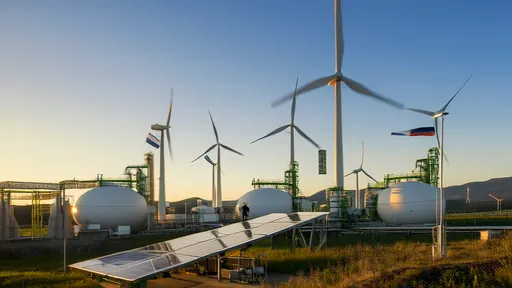
The global fashion industry is undergoing a paradigm shift, with sustainability becoming a non-negotiable criterion for major brands and conscious consumers. Bangladeshi manufacturers are responding by investing heavily in green factories. Bangladesh is now home to the highest number of LEED-certified green garment factories in the world, a fact that is increasingly being used as a unique selling proposition. The adoption of water-saving techniques, renewable energy, and circular economy principles is no longer a niche practice but a mainstream business strategy.
In conclusion, Bangladesh's ascent past the $50 billion apparel export mark is a testament to its resilience, adaptability, and strategic foresight. It is a story of an industry that learned from its past, invested in its future, and successfully navigated a turbulent global economy. The milestone solidifies Bangladesh's indispensable role in dressing the world. Yet, the industry stands at a crossroads where maintaining this growth trajectory will require navigating the dual challenges of global economic uncertainty and the imperative for a more equitable and sustainable manufacturing model. The world will be watching to see how this South Asian nation scripts the next chapter of its remarkable apparel journey.

By /Nov 5, 2025
By /Nov 5, 2025

By /Nov 5, 2025
By /Nov 5, 2025
By /Nov 5, 2025
By /Nov 5, 2025

By /Nov 5, 2025

By /Nov 5, 2025

By /Nov 5, 2025

By /Nov 5, 2025
By /Nov 5, 2025
By /Nov 5, 2025

By /Nov 5, 2025
By /Nov 5, 2025

By /Nov 5, 2025

By /Nov 5, 2025
By /Nov 5, 2025
By /Nov 5, 2025

By /Nov 5, 2025
By /Nov 5, 2025