Argentina's lithium industry is experiencing an unprecedented boom, with export revenues surging to record levels as the South American nation solidifies its position as the world's second-largest lithium producer. The dramatic expansion of lithium operations across the country's northern provinces represents a fundamental shift in global energy markets and positions Argentina as a key player in the transition to renewable energy.
The remarkable growth trajectory became particularly evident in the first half of this year, when lithium exports reached staggering figures that surpassed all previous records. According to official data from Argentina's Ministry of Mining, lithium shipments abroad generated over $700 million during this period, marking an extraordinary 133% increase compared to the same timeframe last year. This explosive growth has transformed lithium into Argentina's fourth-largest export commodity, trailing only behind traditional agricultural powerhouses like soy, corn, and beef.
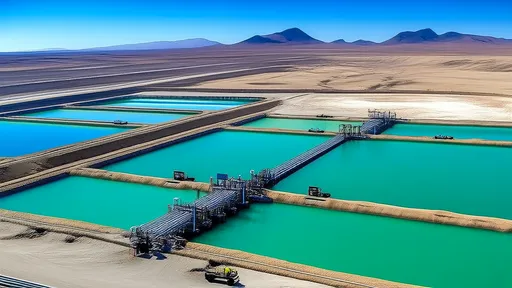
The driving force behind this lithium revolution lies in Argentina's unique geological advantages. The country sits atop the Lithium Triangle, a region spanning Argentina, Chile, and Bolivia that contains approximately 58% of the world's known lithium resources. Argentina's portion of this triangle, particularly in the high-altitude salt flats of Jujuy, Salta, and Catamarca provinces, contains some of the most concentrated and accessible lithium deposits on the planet. The arid climate and unique evaporation processes in these salt flats make lithium extraction particularly efficient and cost-effective compared to hard-rock mining operations elsewhere in the world.
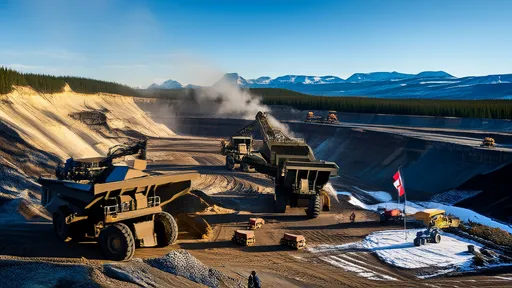
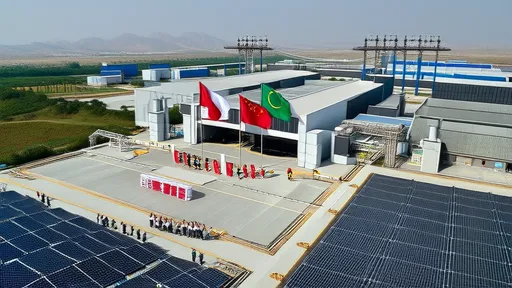
International mining corporations have taken notice of Argentina's lithium potential, pouring billions of dollars into developing new projects across the northern provinces. Companies from China, Canada, Australia, and the United States have established significant operations, with major projects like Livent's Fenix operation, Allkem's Olaroz facility, and the Cauchari-Olaroz project jointly developed by Lithium Americas and Ganfeng Lithium. These operations utilize advanced evaporation pond technology that capitalizes on the region's intense sunlight and dry conditions to concentrate lithium brines before processing them into battery-grade lithium carbonate and lithium hydroxide.
The timing of Argentina's lithium boom couldn't be more crucial for global energy markets. As countries worldwide accelerate their transition to electric vehicles and renewable energy storage, demand for lithium-ion batteries has skyrocketed. The International Energy Agency projects that global lithium demand could increase by over 4000% by 2040 under current climate pledges, creating an insatiable appetite for the silvery-white metal. Argentina's production surge has helped alleviate supply constraints that had previously limited the rapid adoption of electric vehicles, particularly in markets like Europe and North America where automotive manufacturers have struggled to secure sufficient battery materials.
Argentina's rise to become the world's second-largest lithium producer represents a significant achievement for a country that only entered the lithium market in a meaningful way less than a decade ago. The nation has now surpassed China in production volume and trails only Australia in global output. This rapid ascent has been facilitated by provincial governments in the northwest that have actively courted foreign investment through favorable regulatory frameworks and infrastructure development. Unlike neighboring Chile and Bolivia, which have maintained stricter state control over lithium resources, Argentina's more market-friendly approach has attracted substantial foreign capital and technical expertise.
The economic impact of the lithium boom extends far beyond export revenues. In the northern provinces where lithium operations are concentrated, the industry has created thousands of high-paying jobs and stimulated local economies that previously relied on traditional agriculture and tourism. New infrastructure projects, including improved roads, power transmission lines, and water management systems, have followed lithium development into remote regions. Local communities have benefited from increased tax revenues and corporate social responsibility initiatives funded by mining companies, though concerns about environmental impacts and water usage continue to generate debate.
Environmental considerations remain at the forefront of discussions about Argentina's lithium expansion. The brine extraction process requires significant water resources in an already arid region, raising concerns about the long-term sustainability of current extraction methods. Mining companies have responded by implementing advanced water monitoring systems and developing more efficient recycling processes. Several operations have also begun exploring direct lithium extraction technologies that could potentially reduce water consumption and environmental impact while increasing recovery rates.
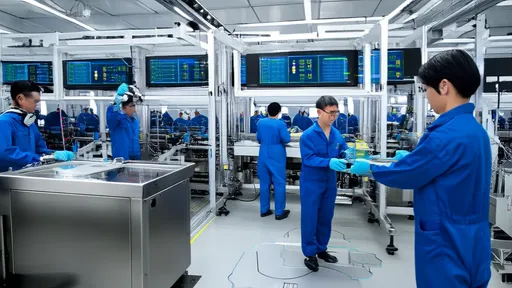
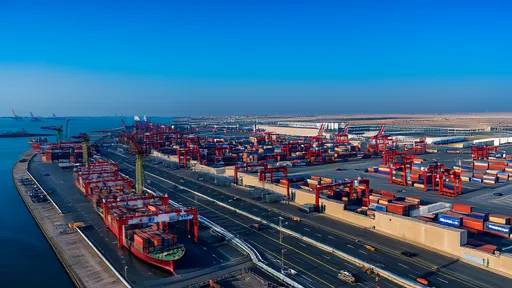
The Argentine government has recognized the strategic importance of lithium to the country's economic future. Recent policy initiatives have focused on encouraging further investment in lithium processing facilities that would enable Argentina to move up the value chain beyond raw material exports. By developing domestic capacity to produce higher-value lithium products like battery-grade lithium hydroxide and even battery components, Argentina aims to capture more of the economic benefits from the global clean energy transition. The government has also been working to improve transportation infrastructure connecting lithium operations to export ports, addressing one of the key logistical challenges facing the industry.
Looking ahead, Argentina's lithium sector shows no signs of slowing down. With over a dozen new projects in various stages of development and existing operations continuing to expand production capacity, analysts project that Argentina could potentially challenge Australia for the top position in global lithium production within the next five years. The country's vast untapped resources provide ample room for growth, though realizing this potential will require careful management of environmental concerns and continued investment in infrastructure and processing capabilities.
The global implications of Argentina's lithium ascendancy extend beyond mere production statistics. As geopolitical tensions surrounding critical minerals intensify, Argentina's emergence as a major lithium supplier provides important diversification for global supply chains. The country's political stability and pro-investment stance have made it an attractive alternative to other lithium-producing nations facing greater political uncertainty or resource nationalism pressures. This positioning has become increasingly valuable as countries and corporations seek to secure reliable, long-term supplies of the critical minerals needed for their energy transition strategies.
For Argentina itself, the lithium boom represents a historic opportunity to transform its economy and establish itself as a central player in the 21st-century energy landscape. The revenues generated from lithium exports have provided a valuable cushion against economic challenges in other sectors, while the technological expertise gained from lithium operations has the potential to spill over into other industries. As the world continues its urgent transition away from fossil fuels, Argentina's lithium resources position the country not just as a supplier of raw materials, but as a crucial enabler of global decarbonization efforts.
The remarkable story of Argentina's lithium sector continues to unfold, with new developments and challenges emerging regularly. What remains clear is that this silver-white metal has transformed from a niche mineral into a cornerstone of Argentina's economic future and a critical component in the global fight against climate change. As battery technology continues to evolve and demand for energy storage grows, Argentina's role as a lithium powerhouse seems destined to expand even further in the years ahead.
By /Nov 5, 2025

By /Nov 5, 2025
By /Nov 5, 2025
By /Nov 5, 2025
By /Nov 5, 2025
By /Nov 5, 2025

By /Nov 5, 2025

By /Nov 5, 2025

By /Nov 5, 2025
By /Nov 5, 2025

By /Nov 5, 2025
By /Nov 5, 2025
By /Nov 5, 2025
By /Nov 5, 2025

By /Nov 5, 2025

By /Nov 5, 2025

By /Nov 5, 2025
By /Nov 5, 2025
By /Nov 5, 2025

By /Nov 5, 2025