Thailand's electric vehicle revolution is accelerating at a pace that has caught even the most optimistic industry observers by surprise. Government data released this week reveals an astonishing 300% surge in EV sales during the first three quarters of this year compared to the same period last year, signaling a dramatic shift in Southeast Asia's second-largest economy.
The numbers tell a compelling story of transformation. From January through September, Thailand recorded over 50,000 new EV registrations, up from approximately 12,500 during the same period in 2022. This explosive growth comes as the culmination of years of strategic planning and substantial investment from both the Thai government and global automotive manufacturers.
What makes this surge particularly remarkable is its timing. While many countries have experienced EV growth, Thailand's acceleration comes amid global economic uncertainties and supply chain challenges that have hampered automotive production worldwide. The Thai market's resilience demonstrates the effectiveness of the government's comprehensive approach to electrification.
Industry analysts point to several converging factors driving this unprecedented growth. The government's ambitious 30@30 policy, which aims for zero-emission vehicles to constitute 30% of total domestic vehicle production by 2030, has created a clear roadmap for manufacturers and consumers alike. This long-term vision has been backed by substantial financial incentives that have made EVs increasingly accessible to Thai consumers.
One of the most significant drivers has been the excise tax reduction for EVs, which has lowered prices by 2-12% depending on the vehicle type. Combined with import duty reductions and subsidies that can total up to 150,000 baht per vehicle, these measures have effectively narrowed the price gap between traditional internal combustion engine vehicles and their electric counterparts.
The charging infrastructure development has been equally crucial. Over the past 18 months, Thailand has seen its public charging network expand by more than 200%, with over 1,500 charging stations now operational nationwide. This infrastructure boom has addressed one of the primary concerns among potential EV buyers – range anxiety – and created a virtuous cycle of increasing adoption driving further infrastructure investment.
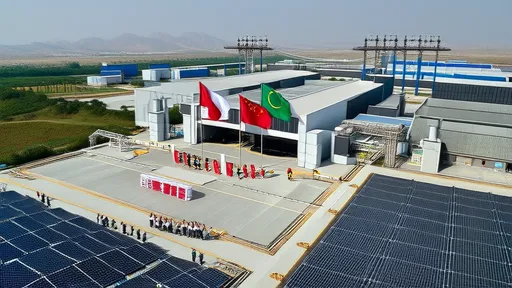
Chinese manufacturers have played a pivotal role in this transformation. Companies like Great Wall Motor, BYD, and SAIC have made substantial investments in the Thai market, bringing competitive models that appeal to local consumers. Their aggressive pricing strategies and understanding of regional consumer preferences have helped democratize EV ownership beyond the luxury segment where it began.
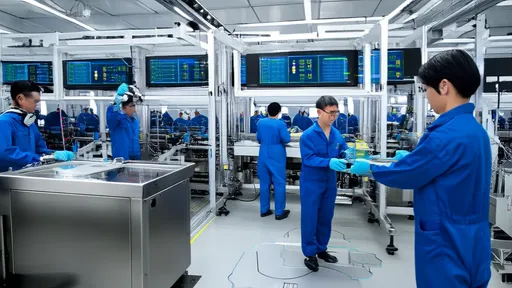
The local manufacturing ecosystem is rapidly evolving to support this transition. Multiple global battery manufacturers have announced plans to establish production facilities in Thailand, attracted by the government's incentives and the growing domestic market. This localization of the supply chain is expected to further reduce costs and create a self-sustaining EV industry.
Consumer sentiment appears to be shifting decisively in favor of electrification. A recent survey conducted by the Thailand Automotive Institute found that nearly 65% of prospective car buyers are now considering an EV as their next vehicle purchase, up from just 22% two years ago. This represents a fundamental change in market psychology that suggests the current growth trajectory may be sustainable.
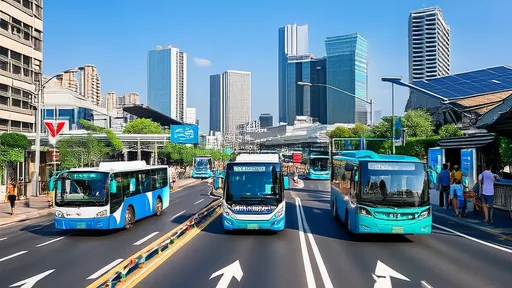
The environmental implications are significant for a country that has long struggled with urban air pollution. Bangkok, home to more than 10 million vehicles, has consistently ranked among cities with the worst air quality globally. The rapid adoption of EVs offers hope for meaningful improvement in urban air quality and public health outcomes.
Traditional automotive manufacturers with established presence in Thailand are responding to this market shift with increased urgency. Toyota, Honda, and Isuzu have all accelerated their electrification plans for the Thai market, with multiple new EV models scheduled for launch in the coming months. This competitive response suggests that the current growth represents not just a temporary surge but a permanent restructuring of the automotive landscape.
The economic ripple effects extend beyond the automotive sector. Thailand's electricity authority has reported increased demand from the transportation sector, while real estate developers are incorporating EV charging infrastructure into new residential and commercial projects. The entire ecosystem is adapting to support an electrified future.
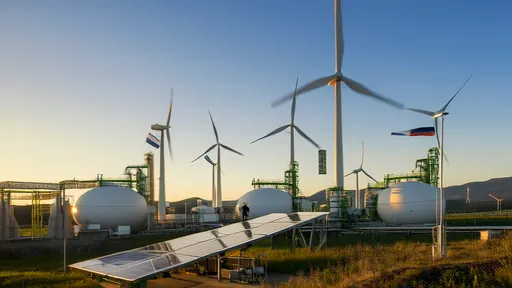
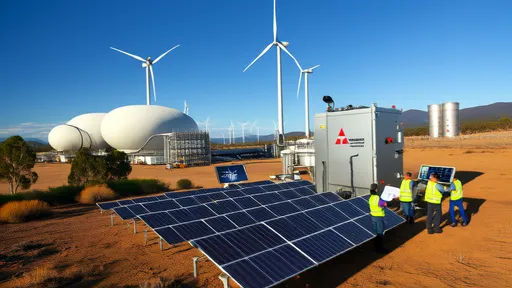
Challenges remain, of course. The pace of grid modernization must accelerate to support widespread EV adoption, and concerns about electricity generation sources persist. Thailand still relies heavily on fossil fuels for power generation, meaning that the environmental benefits of EVs are somewhat diminished unless the grid becomes cleaner.
The used car market represents another area of uncertainty. As new EV sales surge, the secondary market for electric vehicles remains underdeveloped, creating potential barriers for buyers who cannot afford new vehicles. Developing a robust used EV market will be crucial for maintaining inclusive growth in electrification.
International observers are watching Thailand's experiment closely. As the automotive manufacturing hub of Southeast Asia, Thailand's success or failure in transitioning to electric mobility will influence similar efforts across the region. Neighboring countries like Indonesia and Vietnam are implementing their own EV incentives, creating a competitive regional landscape.
The government's next moves will be critical. With the initial phase of incentives scheduled to expire next year, policymakers face difficult decisions about how to sustain momentum without creating permanent dependence on subsidies. The transition from government-supported growth to market-driven adoption represents the next major challenge.
Industry leaders express cautious optimism about the future. The current growth rate of 300% is unlikely to be sustained indefinitely, but most analysts project continued strong expansion through the rest of the decade. The foundation has been laid for Thailand to emerge as not just a regional EV manufacturing hub, but potentially a global player in the electric vehicle ecosystem.
For Thai consumers, the benefits are becoming increasingly tangible. Lower operating costs, reduced maintenance requirements, and the environmental advantages are creating a compelling value proposition. As model availability increases and prices continue to decline, EV adoption is expected to move beyond early adopters into the mainstream market.
The transformation of Thailand's automotive sector represents one of the most successful examples of industrial policy in recent memory. By combining clear vision with practical incentives and welcoming foreign investment, the country has positioned itself at the forefront of the regional electric vehicle revolution. The 300% sales growth is not just a statistic – it's evidence of a nation successfully navigating the complex transition to sustainable transportation.
As the final quarter of the year unfolds, all indicators suggest that Thailand's EV momentum will continue. With new model launches scheduled and consumer interest at an all-time high, the country appears poised to exceed even the most optimistic projections. The electric future that once seemed distant is now arriving on Thai roads, one silent, emission-free vehicle at a time.
By /Nov 5, 2025

By /Nov 5, 2025

By /Nov 5, 2025
By /Nov 5, 2025
By /Nov 5, 2025
By /Nov 5, 2025

By /Nov 5, 2025

By /Nov 5, 2025

By /Nov 5, 2025

By /Nov 5, 2025

By /Nov 5, 2025
By /Nov 5, 2025

By /Nov 5, 2025

By /Nov 5, 2025

By /Nov 5, 2025

By /Nov 5, 2025
By /Nov 5, 2025

By /Nov 5, 2025
By /Nov 5, 2025

By /Nov 5, 2025